
The Chevy 350 engine‚ a 350 cubic inch V8‚ pairs seamlessly with manual transmissions like the T-5‚ T-56‚ and TR6060‚ offering enhanced control and performance for driving enthusiasts.
Overview of the Chevy 350 Engine and Its Compatibility with Manual Transmissions
The Chevy 350 engine‚ a 5.7L V8 powerhouse‚ is renowned for its durability‚ versatility‚ and widespread use in classic and modern vehicles. Produced from 1967 to 1995‚ it delivers reliable power and torque‚ with horsepower ranging from 145 to over 370 depending on the application. Its compact design and lightweight aluminum construction make it ideal for various applications‚ from passenger cars to trucks. The engine’s compatibility with manual transmissions like the T-5‚ T-56‚ and TR6060 enhances its appeal for performance enthusiasts. These transmissions bolt directly to the engine‚ eliminating the need for adapters‚ and offer precise control and enhanced performance. Whether installed in a classic muscle car‚ hot rod‚ or modern truck‚ the 350 Small Block adapts well to numerous transmission systems‚ making it a cornerstone of American automotive culture.
Popular Manual Transmission Options for the Chevy 350
The T-5‚ T-56‚ and TR6060 are top manual transmission choices for the Chevy 350‚ offering durability‚ smooth shifting‚ and enhanced performance for various driving applications and power levels.

T-5 Transmission: Features and Compatibility
The T-5 transmission is a popular 5-speed manual option for the Chevy 350 engine‚ known for its durability and smooth shifting. It features a 31-spline output shaft‚ making it ideal for lightweight applications and moderate horsepower setups. The T-5 is widely available and cost-effective‚ offering a great balance of performance and affordability. It is compatible with the Chevy 350 engine when paired with the appropriate bellhousing and hydraulic components. The T-5 is a favorite among enthusiasts for its lightweight design and ease of installation‚ making it a versatile choice for both classic and modern vehicles. Its compact size and reliable operation ensure it remains a top pick for drivers seeking a manual transmission that delivers consistent performance without breaking the bank.
T-56 Transmission: Gear Ratios and Performance
The T-56 transmission is a 6-speed manual gearbox designed for high-performance applications‚ making it an excellent choice for the Chevy 350 engine. Its gear ratios are optimized for both acceleration and highway cruising‚ providing a balance of power delivery and fuel efficiency. The T-56 is known for its strength and durability‚ capable of handling higher torque outputs compared to the T-5‚ making it ideal for modified or high-horsepower 350 engines. It features a robust 31-spline output shaft and smooth shifting‚ which enhances driver control and performance. The T-56 is also backward compatible with the T-5 bellhousing‚ simplifying installation in many classic and modern vehicles. Its versatility and performance capabilities make it a popular choice among enthusiasts seeking a reliable and powerful manual transmission for their Chevy 350 engine.

TR6060 Transmission: High-Performance Capabilities
The TR6060 transmission is a high-performance 6-speed manual gearbox specifically designed for demanding applications‚ making it an ideal match for the Chevy 350 engine. Built with a robust 31-spline output shaft‚ it offers exceptional strength and durability‚ capable of handling high torque and horsepower. The TR6060 features close-ratio gearing‚ which optimizes acceleration and performance in racing or high-stress driving conditions. Its construction includes high-strength materials and advanced synchronizers‚ ensuring smooth and precise shifts even under heavy load. The transmission is also designed for direct-fit compatibility with the Chevy 350‚ eliminating the need for adapters and simplifying installation. With its impressive gear ratios and lightweight design‚ the TR6060 delivers unparalleled performance for enthusiasts seeking maximum power delivery and control from their manual transmission setup.
Other Manual Transmission Options: Muncie‚ Borg Warner‚ and Saginaw
Beyond modern options like the T-5 and T-56‚ the Chevy 350 engine is also compatible with classic manual transmissions such as the Muncie‚ Borg Warner‚ and Saginaw. The Muncie series‚ including the M20‚ M21‚ and M22‚ are renowned for their durability and smooth shifting‚ making them popular in classic muscle cars. Borg Warner’s Super T-10 is another reliable choice‚ offering a strong 4-speed option with a loyal following. The Saginaw transmission‚ while less heavy-duty‚ provides a cost-effective and lightweight alternative for smaller applications. These transmissions are often sought after for their nostalgic appeal and compatibility with vintage vehicles. While they may lack the advanced features of newer models‚ they remain excellent choices for enthusiasts looking to maintain a classic feel or work within a budget. Their simplicity and proven track record make them viable options for pairing with the versatile Chevy 350 engine.
Installation Considerations for a Manual Transmission
Installing a manual transmission behind a Chevy 350 requires careful attention to bellhousing compatibility‚ clutch selection‚ and driveshaft modifications. Proper crossmember adjustments and shifter placement are essential‚ along with a bed-in period for new components to ensure smooth operation and longevity.
Bellhousing Compatibility and Clutch Selection
Bellhousing compatibility is critical when installing a manual transmission behind a Chevy 350 engine. The engine features a consistent bellhousing bolt pattern‚ allowing it to mate with various transmissions like the T-5‚ T-56‚ and TR6060‚ provided the correct adapter is used. Clutch selection is equally important‚ as it must align with the transmission type and engine torque output. A high-performance clutch is often recommended for its durability and smooth engagement‚ especially in high-torque applications. Proper alignment of the clutch and pilot bearing ensures smooth operation and prevents premature wear. Additionally‚ the bed-in period for new clutch components is essential to ensure proper mating of surfaces‚ maximizing longevity and performance. Always verify compatibility and specifications to avoid installation issues and ensure seamless integration of the manual transmission system with the Chevy 350 engine.

Driveshaft Modifications and Crossmember Adjustments
Installing a manual transmission behind a Chevy 350 engine often requires driveshaft modifications to ensure proper fitment and functionality. The driveshaft length and spline count must match the transmission’s output shaft‚ typically requiring a custom or adjustable driveshaft. Crossmember adjustments are also necessary to accommodate the transmission’s mounting points‚ ensuring proper alignment and clearance. The crossmember may need to be relocated or reinforced to support the manual transmission’s weight and stress. Additionally‚ the driveshaft’s balance and alignment are critical to prevent vibrations and premature wear. Proper measurement and alignment of these components are essential for a smooth and reliable installation. Failure to address these modifications can lead to drivetrain issues‚ making them a crucial step in the manual transmission setup for the Chevy 350 engine.
Shifter Placement and Console Alignment
Proper shifter placement and console alignment are critical for a comfortable and functional manual transmission setup in a Chevy 350 engine. The shifter must be positioned to allow easy access and smooth operation‚ typically requiring precise alignment with the transmission’s gear lever. Console modifications may be necessary to accommodate the shifter‚ ensuring it sits flush and operates without interference. Alignment involves measuring and adjusting the shifter’s position to match the driver’s seating and reach preferences. Improper placement can lead to awkward shifting‚ reduced driver comfort‚ and potential mechanical issues. Additionally‚ the console may need to be trimmed or reshaped to fit the shifter boot and maintain a clean appearance. Correct shifter placement and console alignment ensure a seamless integration of the manual transmission‚ enhancing both aesthetics and functionality in the vehicle.
Bed-In Period for New Transmission Components
A bed-in period is essential for new manual transmission components‚ such as the clutch and flywheel‚ to ensure proper wear and adjustment. During this phase‚ drivers should avoid aggressive driving‚ rapid acceleration‚ and high RPM shifts. A controlled break-in routine‚ typically lasting a few hundred miles‚ allows components to mate smoothly‚ maximizing longevity and performance. Avoiding excessive heat buildup and abrupt clutch engagement helps prevent premature wear. Failure to adhere to this process can lead to premature wear or failure of critical parts. Patience during this critical phase ensures optimal functionality and extends the lifespan of the transmission system. Proper bed-in practices are vital for maintaining the health and reliability of the manual transmission paired with the Chevy 350 engine.
Maintenance and Care for the Manual Transmission
Regular fluid checks‚ clutch inspections‚ and gear lubrication are crucial for maintaining the manual transmission’s health. Proper care ensures smooth operation and prevents premature wear on critical components.
Regular Fluid Checks and Replacements
Regular fluid checks are essential for maintaining the health of your manual transmission. Use synthetic or high-performance gear oil to ensure smooth shifting and protect internal components. Fluid levels should be checked every 1‚000 to 3‚000 miles‚ depending on driving conditions. Replace the fluid every 30‚000 to 60‚000 miles to prevent degradation and contamination. Always consult the manufacturer’s specifications for the correct viscosity and type of fluid to use. Neglecting fluid maintenance can lead to premature wear‚ grinding gears‚ and costly repairs. Proper fluid care extends the lifespan of your transmission and ensures optimal performance. For the Chevy 350 paired with a manual transmission‚ synthetic oils are recommended for their superior lubrication properties and heat resistance. Regular fluid replacements are a simple yet critical step in maintaining your transmission’s reliability and longevity.
Clutch Maintenance and Inspection

Regular clutch maintenance is crucial for smooth operation and longevity. Inspect the clutch every 15‚000 miles for wear‚ ensuring proper engagement and disengagement. Signs of wear include slipping or grinding noises during shifts. The bed-in period for a new clutch requires avoiding aggressive driving to allow components to mate properly. Lightweight flywheels paired with performance clutches‚ such as ceramic or Kevlar‚ enhance durability and heat resistance. Proper alignment of the clutch and pilot bearing is essential to prevent premature wear. Neglecting maintenance can lead to costly repairs‚ so monitor for unusual noises or slipping. Regular inspections and timely replacements ensure optimal performance and reliability of the manual transmission system paired with the Chevy 350 engine.
Gear Lubrication and Wear Prevention
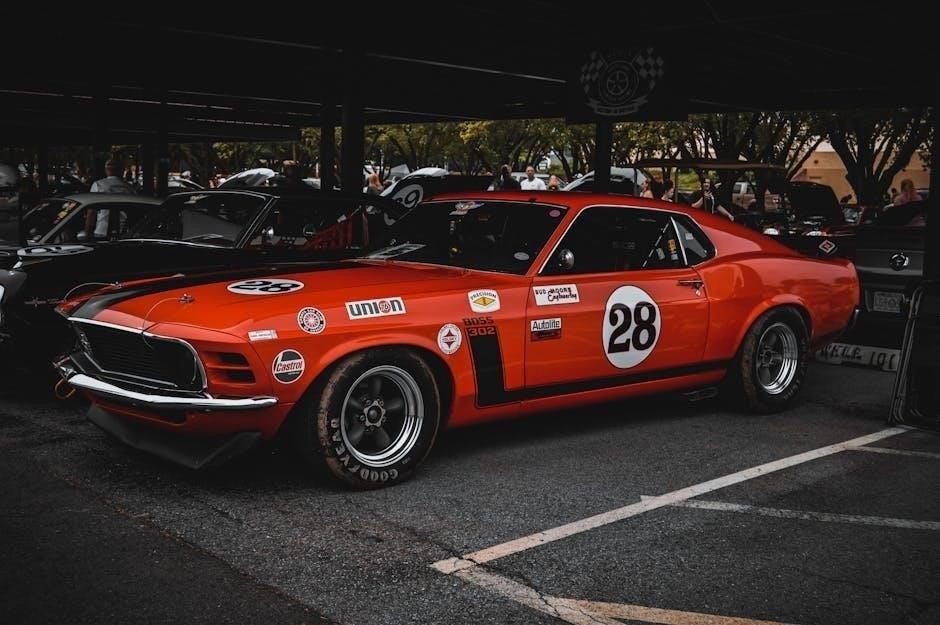
Proper gear lubrication is essential for preventing wear and ensuring smooth operation of the manual transmission. Using synthetic or high-performance gear oils is recommended to protect components and maintain viscosity. Regular fluid changes‚ typically every 30‚000 to 60‚000 miles‚ are crucial for removing contaminants and maintaining optimal lubrication. Avoiding aggressive driving during the bed-in period allows gears to wear in evenly. Inspect for signs of wear‚ such as grinding noises or excessive play‚ and address them promptly. Proper lubrication prevents overheating and extends the lifespan of gears and bearings. Always consult the manufacturer’s specifications for the correct fluid type and viscosity. Regular maintenance ensures the transmission operates efficiently‚ delivering smooth shifts and reliable performance for the Chevy 350 engine.

Troubleshooting Common Issues
Common issues with the Chevy 350 manual transmission include difficulty shifting gears‚ unusual noises‚ and fluid leaks. These problems often stem from worn synchronizers‚ low fluid levels‚ or improper bed-in periods. Regular inspections of the clutch‚ pilot bearing‚ and gear selector help identify issues early‚ preventing major repairs and ensuring smooth operation. Addressing these problems promptly is key to maintaining transmission longevity and performance. Proper maintenance and timely interventions are essential for reliable functionality.
Difficulty Shifting Gears: Causes and Solutions
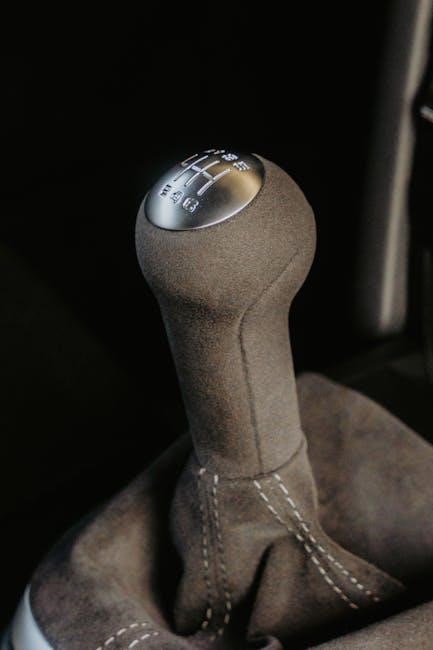
Difficulty shifting gears in a Chevy 350 manual transmission can stem from worn synchronizers‚ low transmission fluid levels‚ or improper clutch engagement. Worn bearings or misaligned gear components may also contribute. Solutions include inspecting and replacing worn parts‚ ensuring proper fluid levels‚ and adjusting the clutch pedal for optimal engagement. Regular maintenance‚ such as lubricating gears and checking the pilot bearing‚ can prevent issues. Avoiding aggressive driving during the bed-in period for new components is crucial. If problems persist‚ professional adjustment or replacement of faulty parts may be necessary. Addressing these issues early ensures smooth shifting and extends the transmission’s lifespan. Proper diagnosis and timely repairs are essential to maintain reliable performance and avoid further damage to the transmission system. Regular inspections and maintenance are key to preventing gear-shifting difficulties.
Unusual Noises and Leaks: Diagnostic Tips
Unusual noises and leaks in a Chevy 350 manual transmission often indicate underlying issues that require prompt attention. Grinding or whining sounds may point to worn bearings or damaged gear components‚ while clunking noises could signal loose or misaligned parts. Leaks‚ typically from the input or output shaft seals‚ can lead to fluid loss and premature wear. To diagnose‚ inspect the transmission for visible damage or fluid spots. Check the transmission fluid level and condition‚ as low or degraded fluid can exacerbate noise and damage. If leaks are present‚ replace the faulty seals or gaskets. For persistent noises‚ disassemble and inspect internal components like bearings and synchronizers. Addressing these issues early prevents further damage and ensures smooth operation. Regular maintenance‚ such as fluid changes and component inspections‚ can help identify and resolve problems before they escalate. Always consult a professional if DIY troubleshooting is unsuccessful. Timely repairs are essential to maintain the transmission’s longevity and performance.
Worn Synchronizers and Bearings: Repair Options
Worn synchronizers and bearings in a Chevy 350 manual transmission can lead to poor shifting and reduced performance. If caught early‚ these components can often be replaced individually‚ saving costs. Synchronizers‚ which facilitate smooth gear transitions‚ can be swapped out with new ones‚ while bearings may require pressing tools for removal and installation. In severe cases‚ replacing the entire transmission assembly may be necessary. DIY repairs are possible but demand mechanical expertise and specialized tools; For high-mileage transmissions‚ upgrading to high-performance synchronizers and bearings can enhance durability and shifting precision. Always use OEM or high-quality aftermarket parts to ensure reliability. Regular maintenance‚ such as lubrication and inspections‚ can prevent premature wear. Addressing these issues promptly avoids further damage and maintains the transmission’s overall health. Professional assistance is recommended for complex or time-consuming repairs. Proper repair ensures smooth operation and extends the transmission’s lifespan. Timely action is crucial to avoid costly overhauls.

Upgrading and Enhancing Performance

Upgrading the Chevy 350 with a high-performance clutch‚ lightweight components‚ and enhanced gearing improves power delivery‚ acceleration‚ and overall driving performance for enthusiasts seeking optimal results.
High-Performance Clutch Upgrades
Upgrading to a high-performance clutch significantly enhances the Chevy 350 manual transmission’s power delivery and responsiveness. Ceramic or Kevlar clutches are ideal for high-torque applications‚ offering improved durability and heat resistance compared to stock clutches. These upgrades ensure smoother engagement and disengagement‚ reducing wear and tear. Pairing a performance clutch with a lightweight flywheel further improves acceleration and throttle response‚ making it a critical modification for drivers seeking enhanced control. The combination minimizes power loss and maximizes efficiency‚ delivering a more engaging and precise driving experience. For enthusiasts pushing their 350 Small Block to its limits‚ a high-performance clutch upgrade is essential for maintaining reliability and performance under demanding conditions.
Lightweight Components for Improved Acceleration
Upgrading to lightweight components significantly enhances the acceleration and responsiveness of the Chevy 350 manual transmission setup. Aluminum flywheels and lightweight driveshafts reduce rotational mass‚ allowing the engine to rev more freely and deliver power more efficiently. These modifications lower the overall weight of the vehicle‚ improving the power-to-weight ratio and enabling quicker acceleration. Additionally‚ lightweight gear sets and components reduce inertia‚ making shifts smoother and faster. For high-performance applications‚ these upgrades are essential to maximize the engine’s potential. By minimizing unnecessary weight‚ lightweight components ensure that more of the 350 Small Block’s power is transferred directly to the wheels‚ resulting in a more dynamic and engaging driving experience. These upgrades are particularly beneficial for racing or high-performance builds‚ where every ounce of weight savings and efficiency counts.
Gearing Upgrades for Enhanced Power Delivery
Gearing upgrades play a crucial role in optimizing the power delivery of the Chevy 350 manual transmission. By selecting gear ratios that match the engine’s horsepower and torque output‚ drivers can achieve smoother acceleration and better performance. The T-5‚ T-56‚ and TR6060 transmissions offer varying gear ratios‚ allowing enthusiasts to tailor their setup for specific applications‚ such as racing or towing. For high-performance builds‚ closer gear ratios enable quicker shifts and improved power delivery at higher RPMs. Wider gear ratios‚ on the other hand‚ are ideal for heavy-duty applications‚ providing more torque at lower speeds. Upgrading to a transmission with a 31-spline output shaft‚ such as the TR6060‚ enhances durability and ensures reliable power transfer. These gearing upgrades not only improve acceleration but also enhance overall drivetrain efficiency‚ making them a key consideration for maximizing the potential of the Chevy 350 engine.